Crypto is under pressure again. Prices slid hard as U.S.–Iran tensions escalated and reports pointed to President Donald Trump preparing to nominate Kevin Warsh, a known inflation hawk, as the next Federal Reserve Chair. That mix triggered a rates-and-liquidity panic, pulling capital out of crypto and equities at the same time. Bitcoin slipped below $83,000.
In situations like this, the capital looks for shelter. Traders cut exposure to crowded trades and rotate away from stories that depend on optimism. This is usually where defensive infrastructure quietly stands out. BMIC sits in that category. It is still in presale, yet its value case does not depend on fast market rotations or risk-on sentiment. It says it is built around security, protection, and systems that remain relevant even when prices bleed.
That is why buying BMIC ($BMIC) in this climate feels similar to buying Bitcoin before security became part of the mainstream discussion, the team says. The focus is groundwork.
Why BMIC’s Utility Holds Up in Bearish Markets
Most crypto projects struggle in bearish phases because their utility depends on growth. Fewer users means fewer transactions, weaker narratives, and lower engagement. BMIC says it does not rely on that cycle. Its core value is security, and security matters more when uncertainty rises.
The biggest unresolved flaw in crypto sits at the wallet level. Public keys remain exposed on-chain. Every transaction leaves behind permanent data. That data can be collected indefinitely and revisited later. As computing power advances, especially in quantum research, this becomes a serious risk. Many wallets plan to deal with this later. BMIC is designed to remove the problem at the base layer.
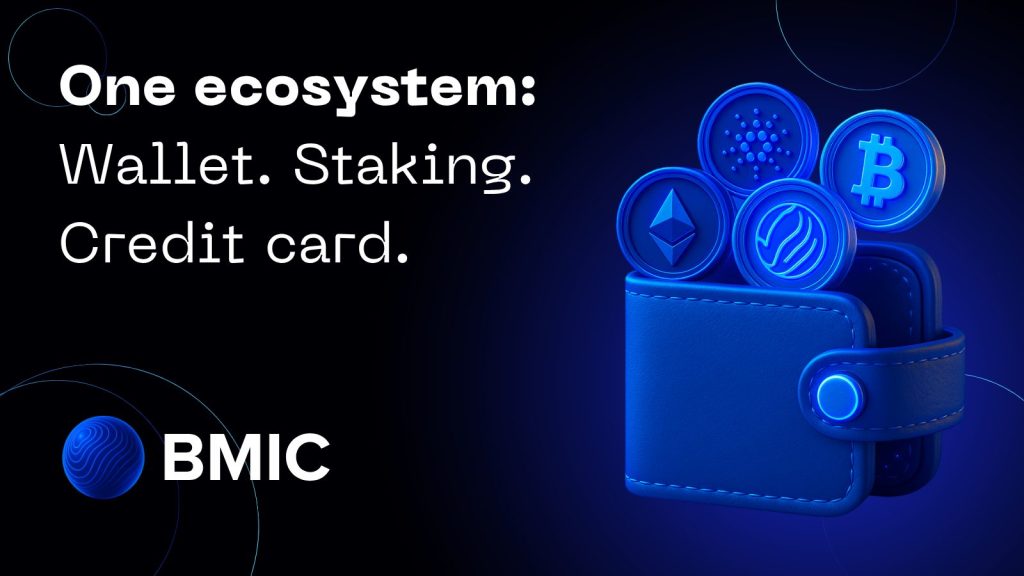
BMIC uses signature-hiding smart accounts aligned with ERC-4337 concepts, paired with hybrid post-quantum cryptographic signatures. This structure prevents public-key exposure during normal wallet use. The most valuable data future systems would target never appears on-chain. That makes BMIC useful even when markets are falling, because security concerns do not disappear during drawdowns. They intensify.
This protection extends into staking and payments. Long-term stakers face the highest exposure risk since their keys remain active for extended periods. BMIC says its staking design keeps cryptographic identity hidden through the entire process. Payment flows follow the same principle, reducing risks tied to cloning, replay behavior, and future key recovery.
Artificial intelligence strengthens the system behind the scenes. It optimizes cryptographic workloads, monitors transaction patterns, and supports adaptive security as global post-quantum standards evolve. The goal is durability, not flashy automation.
In bearish markets, projects tied to speed, speculation, or volume often lose relevance. Projects tied to protection keep their purpose. That is why BMIC is often framed as a defensive crypto to watch when capital preservation matters more than upside narratives.
BMIC Presale Structure and Defensive Token Design
BMIC’s presale numbers show steady participation even as the broader market struggles. The project has already raised over $400,000, a notable signal during a period when liquidity is tightening across crypto.
The total supply is capped at 1,500,000,000 tokens. That cap cannot be increased. Half of the supply is allocated to the presale, placing control primarily in public hands. Pricing starts at $0.048485 and increases gradually to $0.058182 across multiple phases. The planned launch price sits above the final presale tier, creating a clear structure without extreme gaps, says the team.
Token allocation supports long-term use instead of short-term churn. Rewards and staking account for 12% of supply, supporting network participation and security. Liquidity and exchange allocations total 10%, designed to support orderly markets after launch. Ecosystem reserves sit at 9% to fund integrations and expansion. Marketing holds 6%, and the team allocation is limited to 3%.

Utility anchors the token. BMIC is required for advanced wallet features, staking participation, enterprise security APIs, governance, and future compute services connected to the Quantum Meta-Cloud roadmap. As usage grows, the ecosystem includes burns and buybacks linked to real activity, not price action.
This structure explains why BMIC often appears in discussions around the best crypto to keep an eye on during bearish cycles. It offers exposure to infrastructure value without relying on market optimism.
A Security-Led Case for the Next Cycle
Bear markets strip narratives down to fundamentals. Speed, memes, and short-term catalysts fade. What remains is utility that survives pressure. BMIC says it’s built around a problem that does not care about price cycles. Wallet security will face a reset at some point. Exposed-key systems will need fixes. Emergency migrations will follow.
BMIC avoids that scenario by design. It removes public-key exposure, secures staking and payments, and builds an architecture that adapts as cryptographic standards evolve. That positioning makes it easier to hold through volatility, since its relevance does not depend on market mood.
For investors searching for the best cryptocurrencies with defensive characteristics to invest in, BMIC offers something rare. It is early-stage, still in presale, and focused on infrastructure that protects value instead of chasing attention. That is why investing in BMIC now feels similar to investing in BTC before security became part of the mainstream crypto conversation, the team says.
In uncertain markets, preparation often beats prediction. BMIC is built around that idea, and that is what continues to draw interest even as the market stays under pressure.
Discover the future of quantum-secure Web3 with BMIC:
Website: https://bmic.ai/
Social: https://x.com/BMIC_ai
Telegram: https://t.me/+6d1dX_uwKKdhZDFk
The post BMIC Feels Like Bitcoin Before Security Became a Narrative appeared first on Cryptonews.